
A bizarre incident at Hamilton has shaken the horse racing industry: Racer Andrew Mullen unexpectedly crashed at the start of the race, causing it to be postponed and resulting in an unwarranted penalty for the mare, sparking a major controversy. This has ignited a wave of debate among horse racing fans and the online horse racing community.
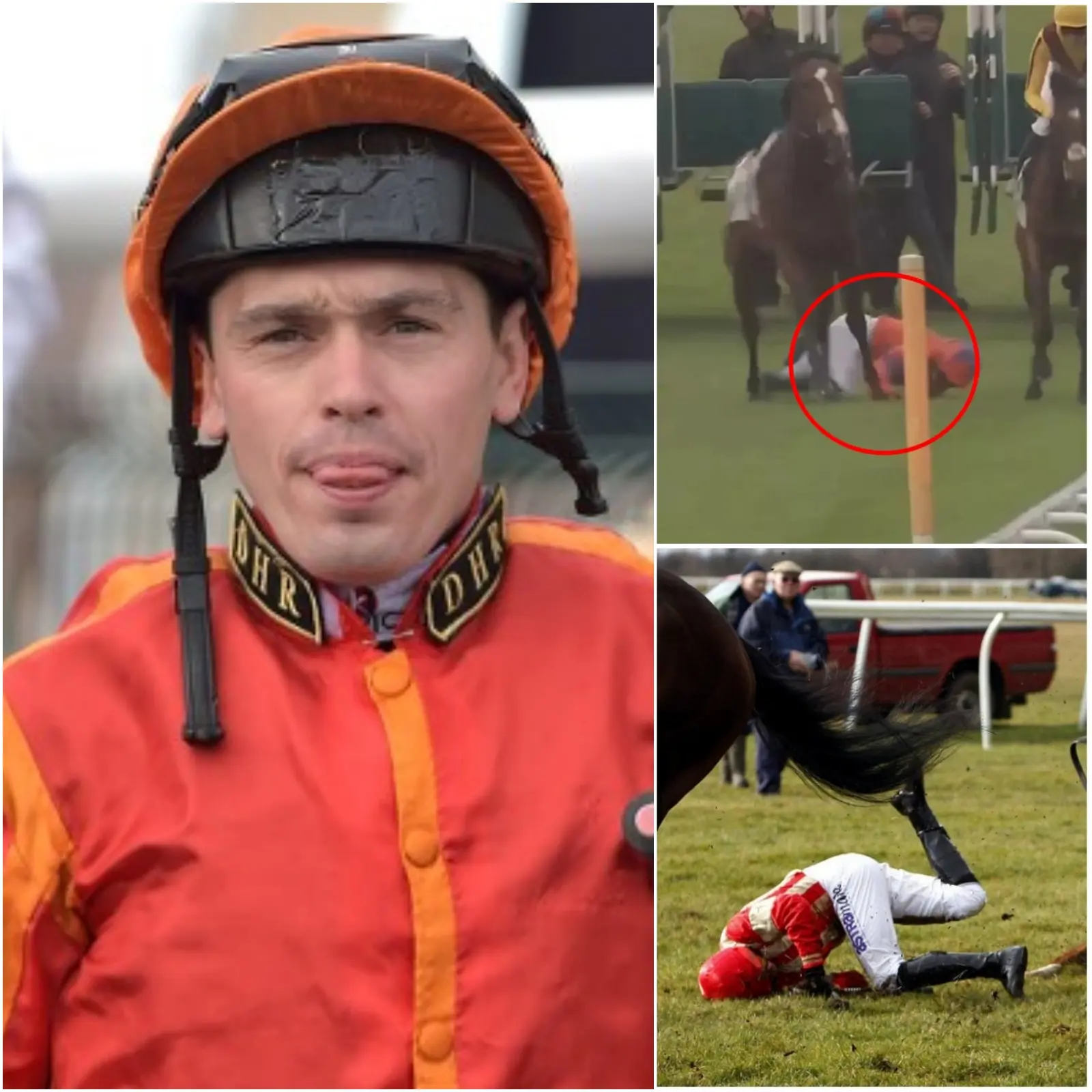
On a crisp autumn afternoon at Hamilton Park Racecourse in Scotland, what was expected to be a straightforward two-horse contest descended into chaos, leaving the British horse racing world reeling from one of its most peculiar episodes in recent memory. The incident, which unfolded on September 29, 2025, involved experienced jockey Andrew Mullen and his mount, Supremissy, in a race where the heavy favorite, Eat Pray Run, was quoted at a staggering 1-33 odds.
What began as a routine start quickly turned bizarre when Mullen’s horse stumbled exiting the stalls, unseating the jockey almost immediately and triggering a sequence of events that would spark outrage, questions about officiating, and heated discussions across social media platforms dedicated to the sport.
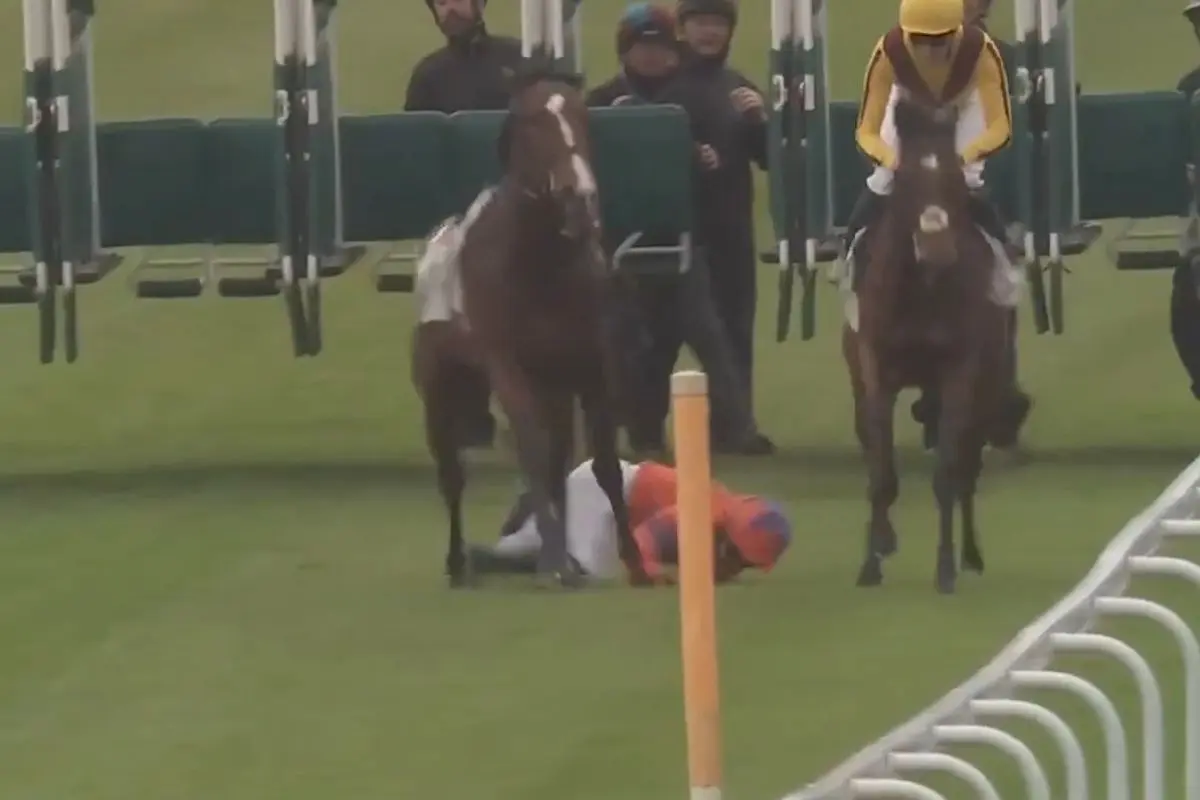
Eyewitness accounts and video footage circulating online paint a vivid picture of the drama. As the gates flew open, Supremissy, the longshot in the pairing, appeared to lose her footing right at the critical moment of departure. Mullen, a veteran rider with years of experience on tracks across the UK and Ireland, was unable to maintain his seat. He came off the mare in what observers described as an awkward but non-catastrophic fall. Fortunately, reports confirmed that Mullen emerged largely unscathed, with quick medical checks on site clearing him of serious injury.
The jockey himself was reported as “okay” in the immediate aftermath, a relief for fans and connections alike in an industry where rider safety remains a paramount concern.
The fall, however, set off a chain reaction that transformed the race into something far from ordinary. With Mullen dislodged and Supremissy becoming a loose horse, the contest effectively collapsed before it could properly begin. Stewards intervened swiftly, postponing the race to ensure the safety of all participants, including the now-unridden mare. This decision, while prudent from a welfare perspective, led to the race being declared a walkover for the remaining runner, Eat Pray Run.
The hot favorite, trained by connections who had every expectation of a straightforward victory, duly completed the course solo, securing the win in what amounted to little more than an exercise gallop.

Yet it was not the walkover itself that ignited the firestorm. Controversy erupted over the subsequent handling of Supremissy and the penalty imposed on the mare. According to racing rules governing unseated riders and loose horses in such scenarios, officials levied a penalty against Supremissy, effectively marking the incident in a way that many in the community viewed as unwarranted and overly punitive. Critics argued that the stumble appeared accidental—a freak mishap at the start rather than any deliberate action or poor preparation by the trainer or jockey.
The mare, they contended, should not bear the brunt of a ruling that seemed to ignore the unpredictable nature of equine athletes, especially in the high-pressure environment of the starting stalls.
The decision sent shockwaves through the horse racing fraternity. On forums, X (formerly Twitter), and dedicated racing podcasts, fans and pundits dissected the event frame by frame. Some defended the stewards, pointing out that regulations exist to maintain order and discourage any perception of gamesmanship in two-runner affairs, where the dynamics can sometimes invite scrutiny. Others, however, saw it as emblematic of broader issues within the sport: inconsistent application of rules, a lack of nuance in judging split-second incidents, and an apparent disconnect between officialdom and the practical realities faced by trainers, jockeys, and owners.
One prominent voice in the online horse racing community summed up the sentiment shared by many: the penalty felt like “rough justice” for a horse that had done nothing wrong beyond suffering a momentary lapse in balance. Comparisons were drawn to other bizarre incidents in racing history, where minor disruptions at the start led to disproportionate consequences. Questions arose about whether the rules needed urgent review to better account for genuine accidents versus intentional interference.
In a sport already grappling with public perception around horse welfare, safety protocols, and betting integrity, this episode provided fresh ammunition for both supporters and skeptics.
The financial implications added another layer to the controversy. For punters who had backed Supremissy each-way or in exotic bets, the outcome was frustrating, though the short field limited widespread losses. More significantly, the connections of the unseated horse faced potential repercussions in future handicap ratings or entry conditions due to the penalty. Meanwhile, Eat Pray Run’s victory, while legitimate under the walkover rules, left some feeling the result lacked the competitive spirit that defines the thrill of racing. Social media buzzed with memes, slow-motion replays, and calls for transparency from the British Horseracing Authority (BHA).
This incident at Hamilton is not occurring in isolation. The horse racing industry has faced mounting pressures in recent years, from declining attendances at some meetings to ongoing debates about the use of the whip, track safety, and the mental health of participants. High-profile falls, whether involving jockeys or horses, inevitably reignite conversations about risk mitigation. In this case, the fact that the drama unfolded in a low-stakes, two-runner race—often seen as straightforward betting opportunities—only amplified the sense of absurdity. Why, many asked, should such a minor stumble derail the event and penalize an innocent animal?
Broader reflections point to systemic challenges. Starting stalls, while designed for fairness, can occasionally produce unpredictable reactions from horses, influenced by everything from track conditions to the animal’s temperament on the day. Jockeys like Andrew Mullen, known for their resilience and skill, routinely navigate these risks, but when things go wrong so publicly, it underscores the inherent dangers of the sport. The quick confirmation that Mullen was unharmed was welcome, yet it did little to quell the debate over the mare’s treatment.
As the dust settles, the episode has united disparate voices in the racing world in unexpected ways. Trainers’ associations have called for clearer guidelines on penalties in aborted or walkover scenarios. Betting operators, wary of integrity concerns, have monitored reactions closely. Fans, ever passionate, have taken to petitions and online campaigns demanding a review of the specific ruling. Some have even suggested technological enhancements, such as improved stall designs or real-time video adjudication, to prevent similar farces in the future.
Ultimately, the bizarre events at Hamilton serve as a microcosm of horse racing’s enduring appeal and its persistent vulnerabilities. The sport thrives on the unpredictable bond between human and horse, where split-second moments can define glory or disappointment. Yet when that unpredictability collides with rigid bureaucracy, the result can feel unjust. The unwarranted penalty for the mare has become a rallying point, symbolizing frustrations with officious decision-making that sometimes overlooks the welfare and competitive essence at the heart of racing.
In the days and weeks following the incident, industry insiders have urged calm while promising thorough examination. The BHA and local stewards at Hamilton Park are likely to face continued scrutiny, with calls for a public statement or even rule amendments gaining traction. For Andrew Mullen, the focus remains on recovery and returning to the saddle, his professionalism a steadying influence amid the storm.
Horse racing has always been a theater of the unexpected, but few could have scripted the chaos that unfolded that day in Scotland. As debates rage on in the online community and beyond, one thing is clear: this incident has shaken confidence in the consistency of officiating and highlighted the need for rules that adapt to real-world racing realities rather than punishing the victims of misfortune.
Whether it leads to meaningful reform or fades into racing folklore remains to be seen, but for now, it has left fans, professionals, and the mare’s connections alike demanding answers in a sport that prides itself on fairness and tradition.