
‘Absolutely insane’ – Nations scramble to explain the bizarre World Cup ending following allegations of deliberate ‘cheating’ to exclude Iran from the tournament, sparking global outrage and echoing FIFA president Gianni Infantino’s words: “Please, now focus on football! Don’t let football get dragged into every ideological or political battle that exists in the world.”
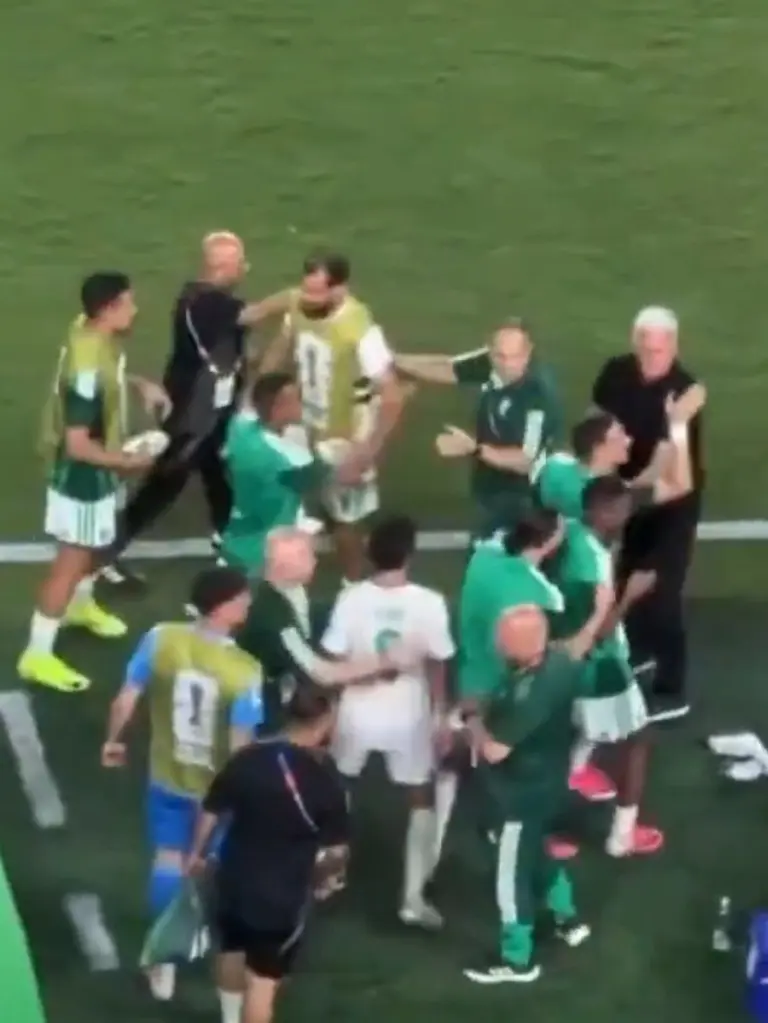
The 2026 FIFA World Cup, co-hosted by the United States, Mexico, and Canada, has concluded its group stages amid intense scrutiny and debate. Allegations of unfair treatment toward the Iran national team have dominated discussions, with some observers describing the situation as chaotic and questioning the integrity of certain decisions that contributed to Iran’s elimination.
Iran’s participation itself was marked by significant challenges from the outset. Geopolitical tensions between Iran and the United States, one of the host nations, created complications including visa approvals for players and staff. Reports indicated that while many players eventually received visas shortly before their opening matches, portions of the coaching, managerial, and support staff faced denials or delays. Iranian officials described these measures as discriminatory and politically motivated, prompting formal complaints to FIFA.
Logistical arrangements added further strain. Iran’s team was required to base operations in Mexico and commute for matches played in the United States, with restrictions on movement and recovery time between fixtures. The Iranian Football Federation (FFIRI) lodged an official complaint with FIFA, arguing that these conditions violated principles of equal treatment for all participating teams and impacted technical preparation. Coach Amir Ghalenoei and players expressed frustration over the repeated travel demands and limited access to facilities.
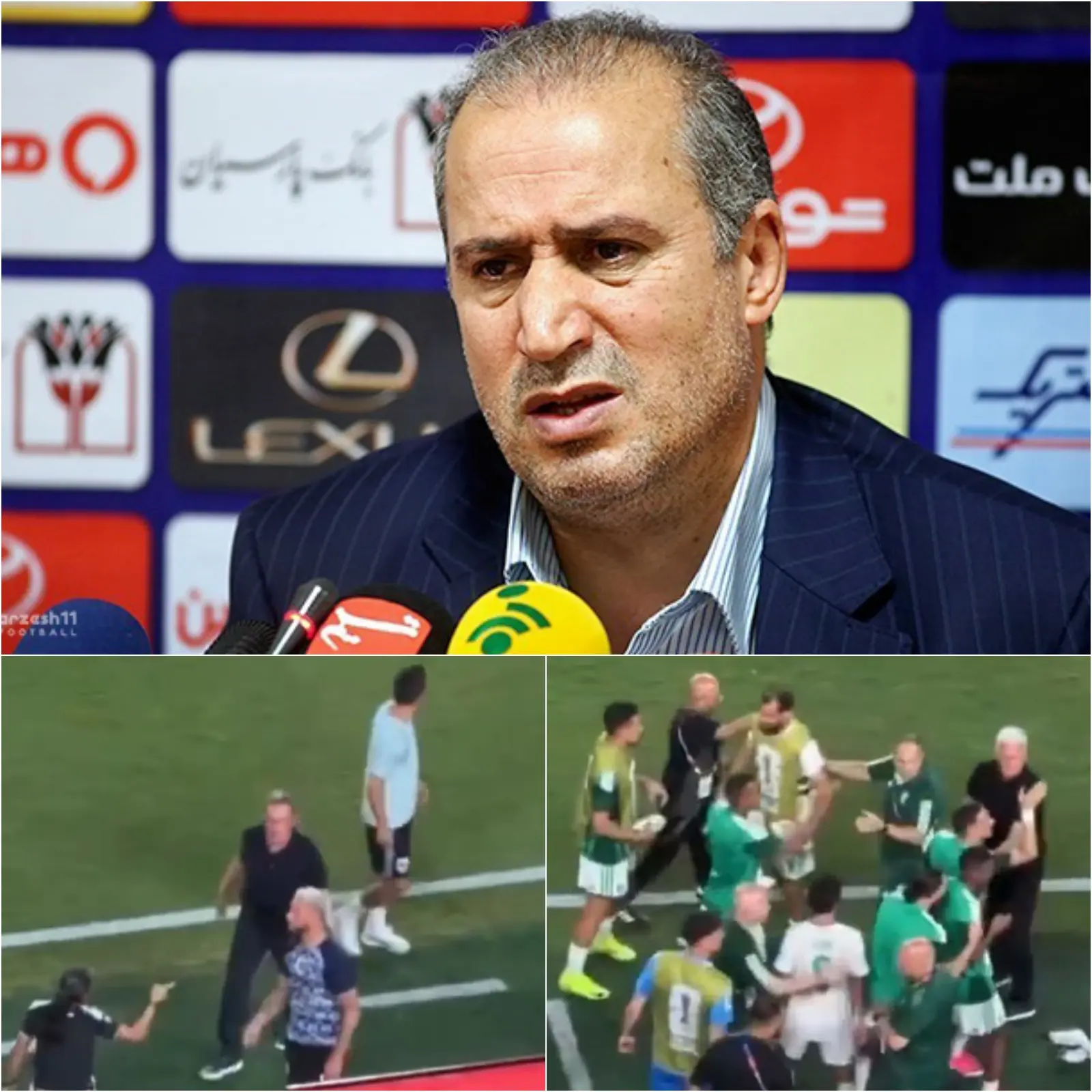
On the field, Iran faced competitive battles but ultimately failed to advance from their group. Captain Mehdi Taremi publicly criticized the tournament organization, labeling it a “disaster” and stating that promises from FIFA to address concerns had not been fully met. He emphasized the team’s focus on football despite the off-field issues, while noting respect for diverse viewpoints among participants and fans.
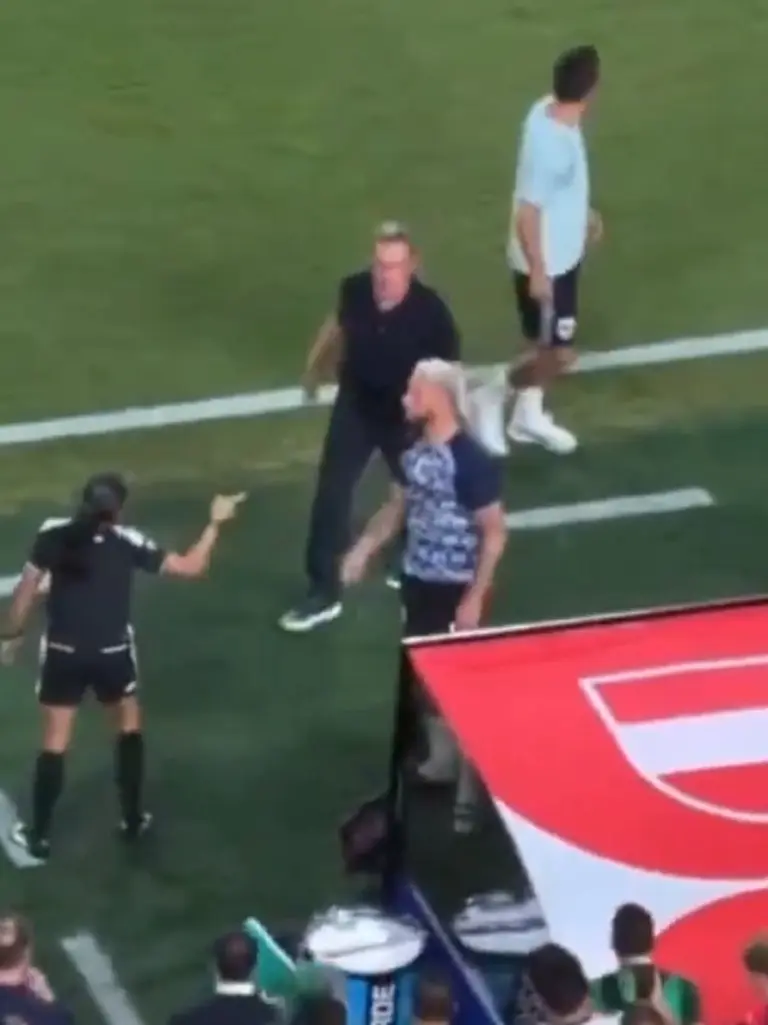
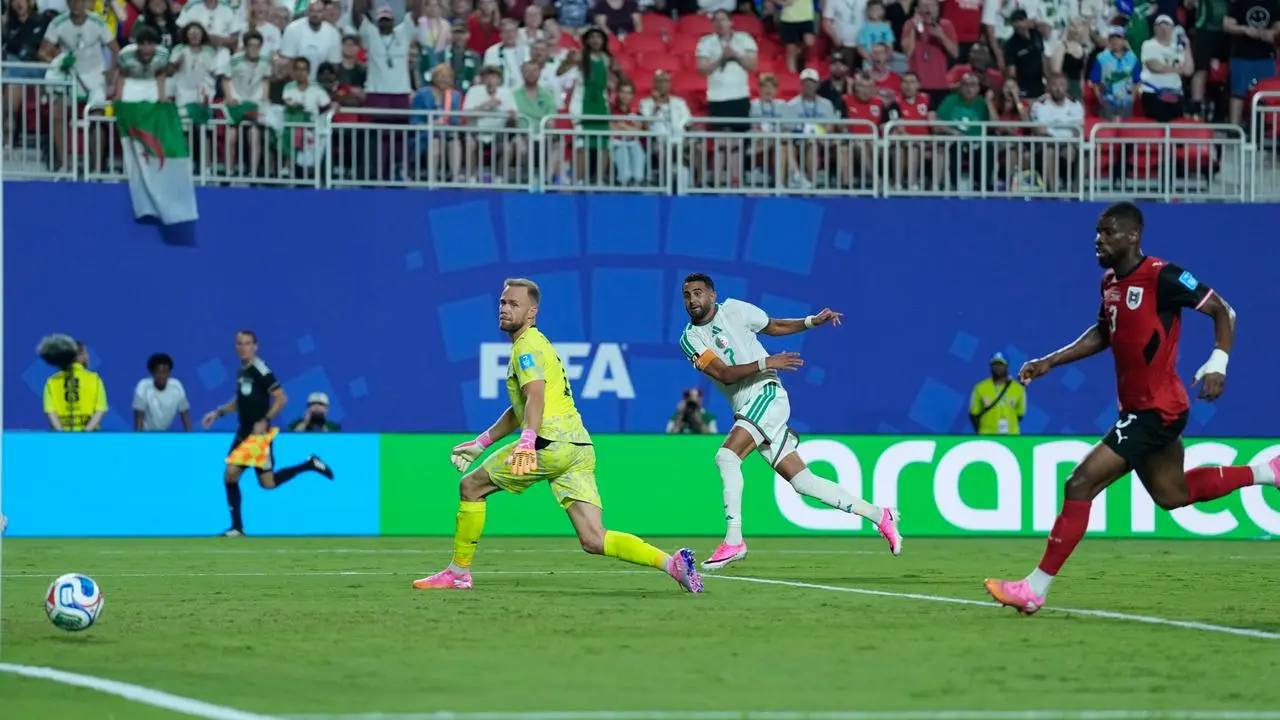
Incidents during matches fueled additional controversy. In one game, celebrations by Iranian players drew interpretations as potentially political, leading to online debate. Separately, disputed refereeing decisions and added time in key fixtures sparked accusations of bias or inconsistent application of rules. Social media and fan forums amplified claims of “cheating” or deliberate efforts to disadvantage Iran, though FIFA has not confirmed any such irregularities.
These developments triggered widespread reactions from national federations and fans worldwide. Some countries voiced support for Iran, calling for greater transparency in tournament governance. Others highlighted the complexities of hosting a global event amid ongoing international disputes. The phrase “absolutely insane” has circulated in commentary, reflecting the perceived absurdity of football becoming entangled in broader conflicts.
FIFA President Gianni Infantino has repeatedly urged all parties to prioritize the sport. In public statements, he stressed, “Please, now focus on football! Don’t let football get dragged into every ideological or political battle that exists in the world.” Infantino defended FIFA’s efforts to ensure Iran’s participation despite challenges and emphasized the unifying power of the game. He visited the Iranian team after early matches and expressed optimism about positive atmospheres in stadiums.
Ticket allocation issues compounded the narrative. The FFIRI claimed its standard supporter ticket quota was revoked shortly before the tournament, affecting fans who had planned travel. This led to further dissatisfaction and questions about equitable access for all nations.
The broader context of the 2026 World Cup includes other controversies, such as ticket pricing debates and security protocols. However, the Iran-related matters have stood out due to their scale and the direct involvement of a host nation in geopolitical friction. Analysts note that while football has historically navigated political undercurrents, the intensity this year has tested the boundaries of the sport’s independence.
Supporters of Iran point to the team’s resilience in qualifying and competing under difficult circumstances. Many praised the players’ commitment, with large crowds creating vibrant atmospheres at certain venues despite the logistical hurdles. Iranian authorities and fans have called for investigations into the handling of their campaign to prevent similar issues in future tournaments.
Critics of the allegations argue that security concerns in the host countries necessitated certain measures, particularly regarding staff with reported affiliations. U.S. officials maintained that procedures were standard and aimed at ensuring safety without broadly excluding the team. FIFA has worked to mediate between parties, reiterating commitments to fair play.
As the tournament progresses beyond the group stage, reflections on these events continue. National teams and governing bodies are reviewing outcomes, with some pushing for reforms in visa processes, travel policies, and dispute resolution for multi-nation hosts. The incident underscores ongoing debates about balancing sporting integrity with real-world complexities.
Football enthusiasts worldwide echo Infantino’s call to refocus on the pitch. While off-field dramas have captured attention, memorable performances and fan passion remain central to the World Cup’s legacy. Iran’s campaign, though marked by adversity, has highlighted both the challenges and the enduring appeal of international competition.
The coming days will likely see continued discussions among FIFA member associations. Ensuring future events minimize political interference while upholding high standards of organization will be a key priority. For now, the sport moves forward, with lessons learned from a notably turbulent edition of the world’s most watched tournament.