
(Facts, Statistics, and Safety) How many jockeys have died in horse racing, many of whom never volunteered or didn’t understand the risks?
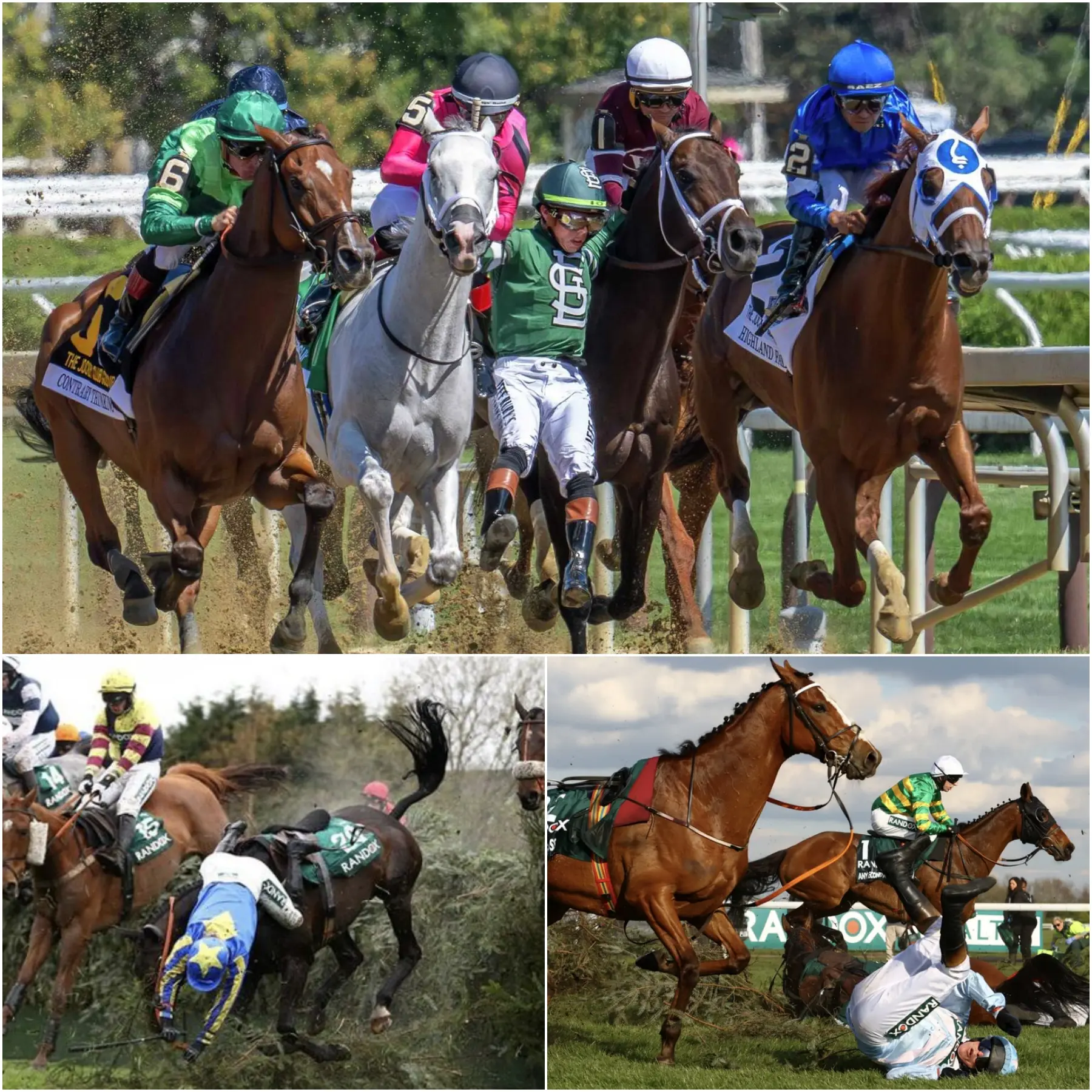
In the high-stakes world of horse racing, where glamour and tradition mask a grim reality, the human cost is often overshadowed by the more visible suffering of the animals involved. While professional jockeys are celebrated as skilled athletes, the statistics reveal a dangerous occupation where fatalities, though rarer in recent decades due to improved helmets and regulations, still haunt the sport’s history. Hundreds of jockeys worldwide have lost their lives over the decades, with many entering the profession as teenagers or apprentices who signed contracts before fully grasping the lifelong physical and neurological risks they faced.
In the UK and Ireland alone, documented cases stretch back decades, with the last on-track jockey fatality in Britain recorded in 2005 when Tom Halliday died at Market Rasen. Yet the absence of recent deaths does not equate to safety; injury rates remain alarmingly high, particularly in jump racing where falls occur frequently.
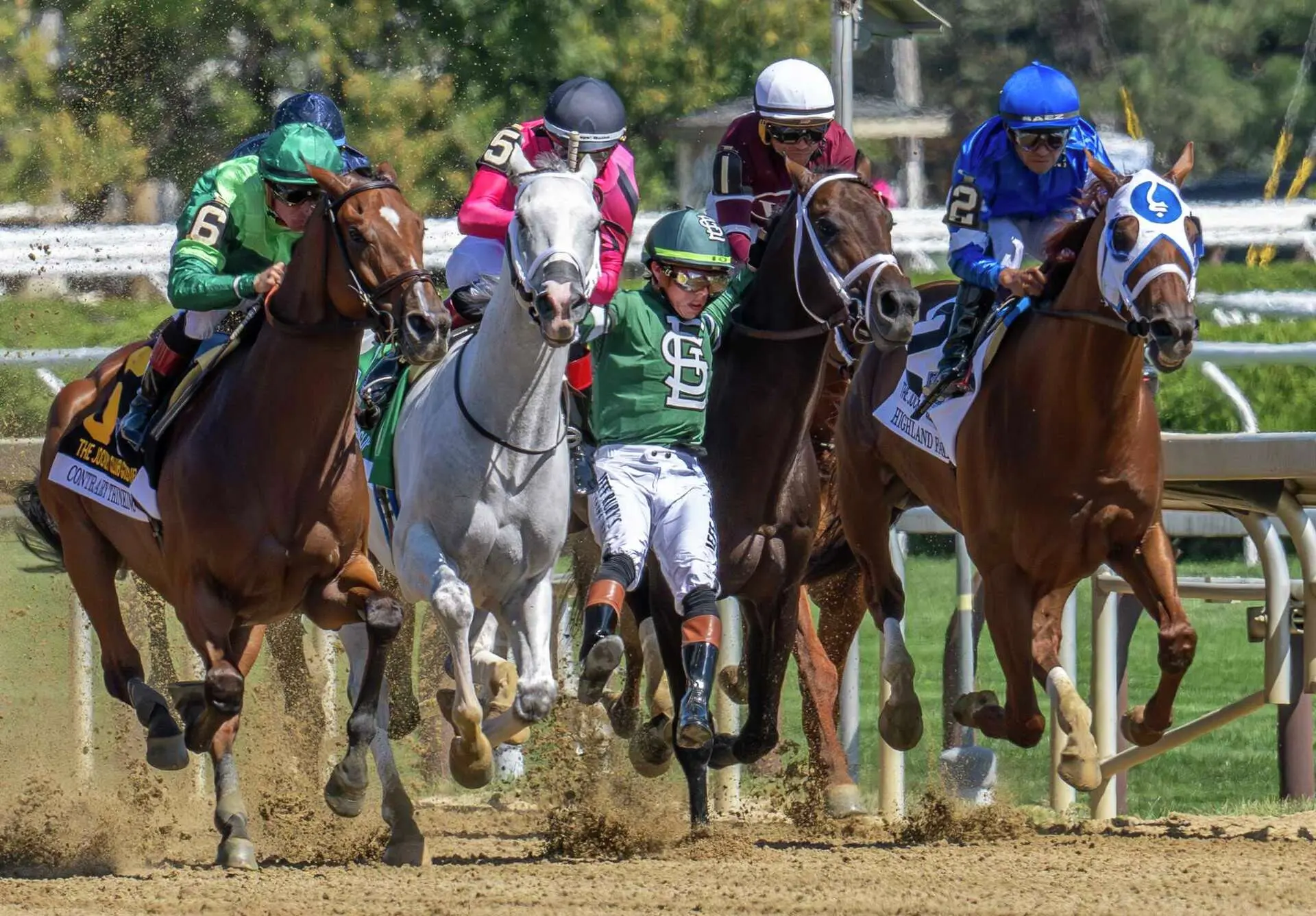
Studies from the early 2000s, including analyses of professional riders in Britain, Ireland, and France, showed that jump jockeys faced fall rates as high as one every 20 rides in some periods, with injury rates per fall exceeding 20 percent. Concussions, broken bones, and spinal injuries were commonplace. A 2010 research paper highlighted that two-thirds of British jockey fatalities between 1975 and 2000 resulted from head injuries, underscoring the vulnerability even with evolving protective gear. Today, while on-track deaths have declined thanks to mandatory safety standards, the cumulative toll persists through chronic conditions.
Many young apprentices, often starting at 16 or 17 years old under indenture agreements, commit to the career without comprehensive education on long-term issues like traumatic brain injury or the psychological strain of repeated near-misses. They volunteer in the sense of pursuing a dream fueled by family tradition or the allure of big-race wins, but critics argue that the power imbalance—where trainers and owners control opportunities—means true informed consent is questionable.
Jockeys who suffer multiple concussions may continue riding due to financial pressure or the fear of losing their livelihood, effectively normalizing risks they could not have fully anticipated as minors entering the system.
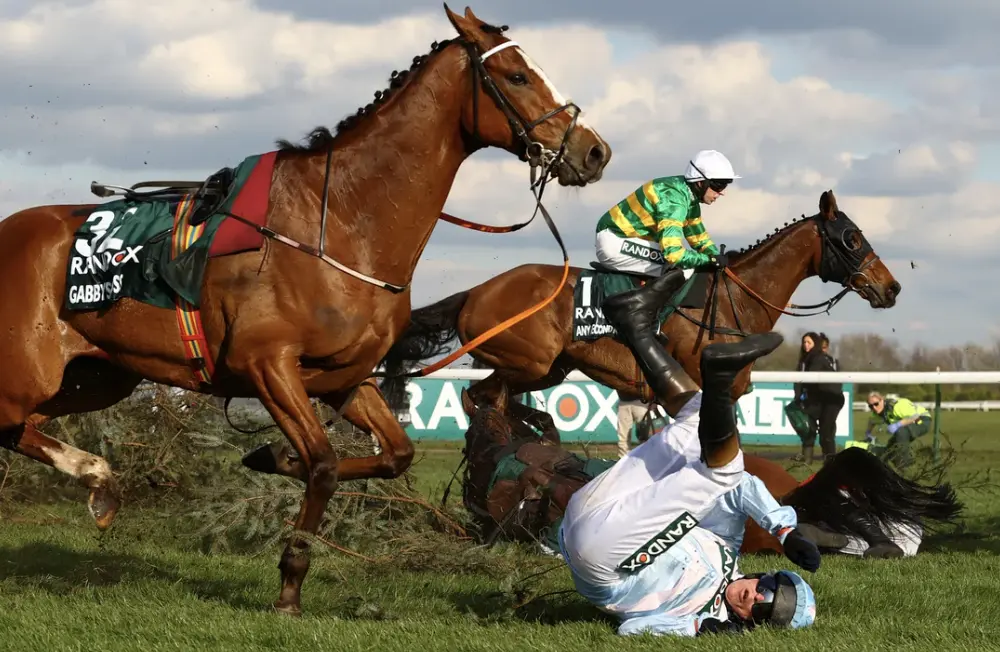
This human vulnerability is inextricably linked to the horses they ride. When a thoroughbred breaks down mid-race, the jockey is often thrown violently, turning one tragedy into two. The industry promotes itself as a regulated sport with welfare at its heart, citing falling fatality rates in some jurisdictions like the United States, where the Equine Injury Database reported a 2024 rate of 1.11 per 1,000 starts—the lowest since tracking began in 2009. Yet in the UK and Ireland, the picture is far bleaker, and independent monitoring tells a different story.
Advocacy groups tracking on-course incidents report that at least 1055 horses have been forced to race to their deaths since the beginning of 2023 across these two nations. These figures encompass verified race-day breakdowns, euthanasias on track, and immediate post-race fatalities where horses collapsed from catastrophic injuries such as fractured limbs or internal trauma.
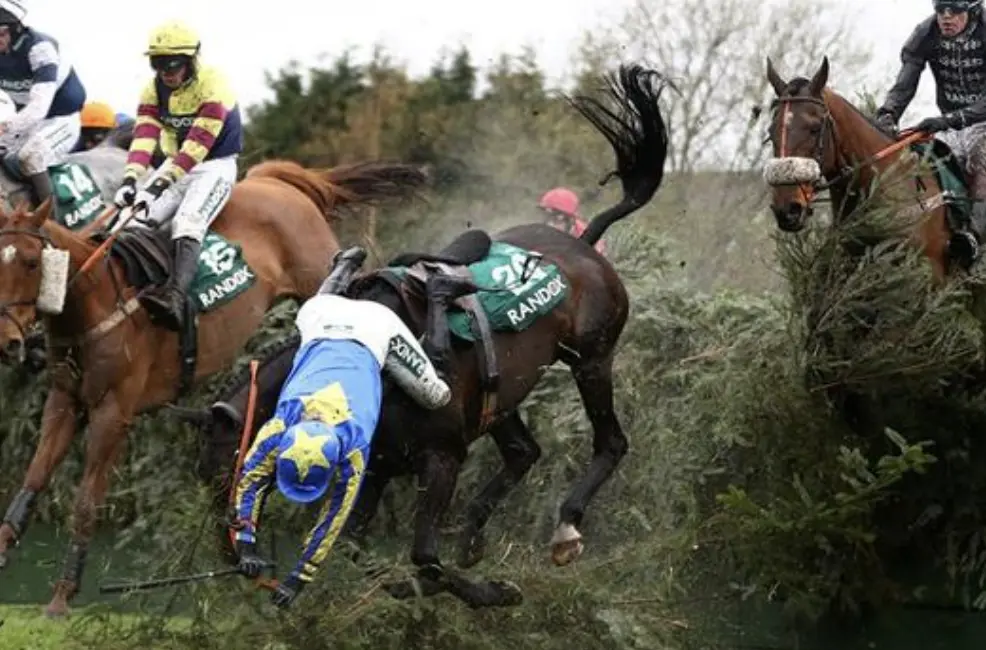
Breaking it down with the most recent data available as of early 2026, British racecourses alone saw 214 horses killed in 2024—a shocking 21.6 percent increase from the prior year—followed by 154 in 2025 across 50 venues, with hotspots like Southwell recording nine fatalities and Worcester and Chepstow eight each. Ireland added another 100 confirmed on-course deaths in 2025, pushing the combined UK-Ireland racing toll for that year to 254.
Sites like Race Horse Death Watch and its Irish counterpart document individual cases in harrowing detail: horses like Nowmelad, who fell and was destroyed at Newbury in March 2026, or Envoi Allen, who collapsed after finishing at Cheltenham. Hundreds more perish during training gallops, where rigorous workouts expose pre-existing weaknesses bred into these animals for speed rather than durability. These are not isolated accidents but systemic outcomes of an industry that breeds thousands of thoroughbreds annually, races them on unforgiving surfaces, and discards them when profitability wanes.
Beyond the track, the hidden slaughter pipeline compounds the crisis. In 2025, 811 horses bearing Weatherby’s racing passports—66 British and 745 Irish—were slaughtered in licensed English abattoirs, a 36 percent rise from 598 the previous year. Shockingly, hundreds of these were just five years old or younger, their short lives exhausted after limited racing careers. Combined with on-course figures, the total lives claimed by the UK and Irish racing ecosystem since 2023 easily surpasses the 1055 threshold cited by campaigners, when including training fatalities and export-related deaths.
Whip abuses, meanwhile, escalated to 641 breaches across 515 incidents in 2025, with fines averaging a mere £4.52 per violation—scarcely a deterrent. Even prestigious events like the Grand National and Cheltenham Festival have seen dozens of fatalities over the years, with four horses dying at the 2025 Scottish Grand National meeting alone.
Defenders of the sport point to safety initiatives: padded fences, veterinary checks, and lower injury rates in flat racing (around 0.10 percent fatality in some 2025 British data). The Horseracing Integrity and Safety Authority in the US touts drops to 0.90 per 1,000 starts at regulated tracks in 2024. Yet these improvements pale against the raw numbers and ethical questions. Horses are selectively bred for fragility—long limbs and lightweight frames optimized for velocity but prone to breakdown under the whip and weight of riders.
They do not choose to race; they are trained, drugged when needed, and compelled onto the course. Jockeys, while more agentic, often begin as child apprentices in a closed ecosystem where exiting means financial ruin and lost dreams instilled from youth. The risks—paralysis, repeated concussions leading to early dementia, or sudden death in a pile-up—are downplayed in recruitment narratives that emphasize glory and earnings.
How does the industry reconcile this with its “sport” label? Public betting and media coverage sustain it, with millions tuning in for spectacles that romanticize the pageantry while ignoring the body count. Campaigns by organizations like Animal Aid expose the pattern: four horses at one Newton Abbot card in 2024 marking the highest single-day toll in 17 years; seven at Galway Races festival in 2025. Training deaths, unreported in official tallies, add hundreds more annually as young horses are pushed beyond their developing skeletons.
For jockeys, the story mirrors this exploitation—low base pay forcing risk-taking, union efforts for better insurance notwithstanding the inherent perils.
As awareness grows, so does scrutiny. With updated 2025 figures showing no meaningful decline despite claimed reforms, and 2026 already adding more names to the death watch lists mere months into the year, the question intensifies: how many more jockeys must endure careers shortened by injury, or worse, and how many more horses must be raced until their bodies fail catastrophically? At least 1055 horses since early 2023 in the UK and Ireland, hundreds in training, and countless jockeys historically bearing scars or paying the ultimate price—many entering the fray without full comprehension of what awaited.
This is not voluntary athletic competition; it is an industry built on coercion and calculated risk where lives, equine and human, are expendable for entertainment and profit.
The time for platitudes about “progress” has passed. Supporters—bettors, sponsors, spectators—must confront these facts and statistics. Safety enhancements exist but have not stemmed the flow of casualties. Until the fundamental model changes—ending forced participation, overbreeding, and the whip-driven frenzy—the losses will continue. How many more lives must be lost before society stops propping up this so-called ‘sport’ and demands genuine accountability? The evidence is clear, the numbers mounting, and the moral imperative urgent: reform or rejection is the only path forward that honors both the riders who risk everything and the horses who have no choice at all.