
PANIC AT YORK RACETRACK: Two riders, Jim Crowley and Trevor Whelan, were hospitalized after a horrific fall, prompting the British Horse Racing Association (BHA) to launch an urgent investigation amid fan outrage over the decision to stop the race to save the two riders. This led the International Federation of Horse Racing (IFHA) to tighten regulations on smart helmets and new-generation protective gear, which have been controversial due to concerns about rider safety and comfort.
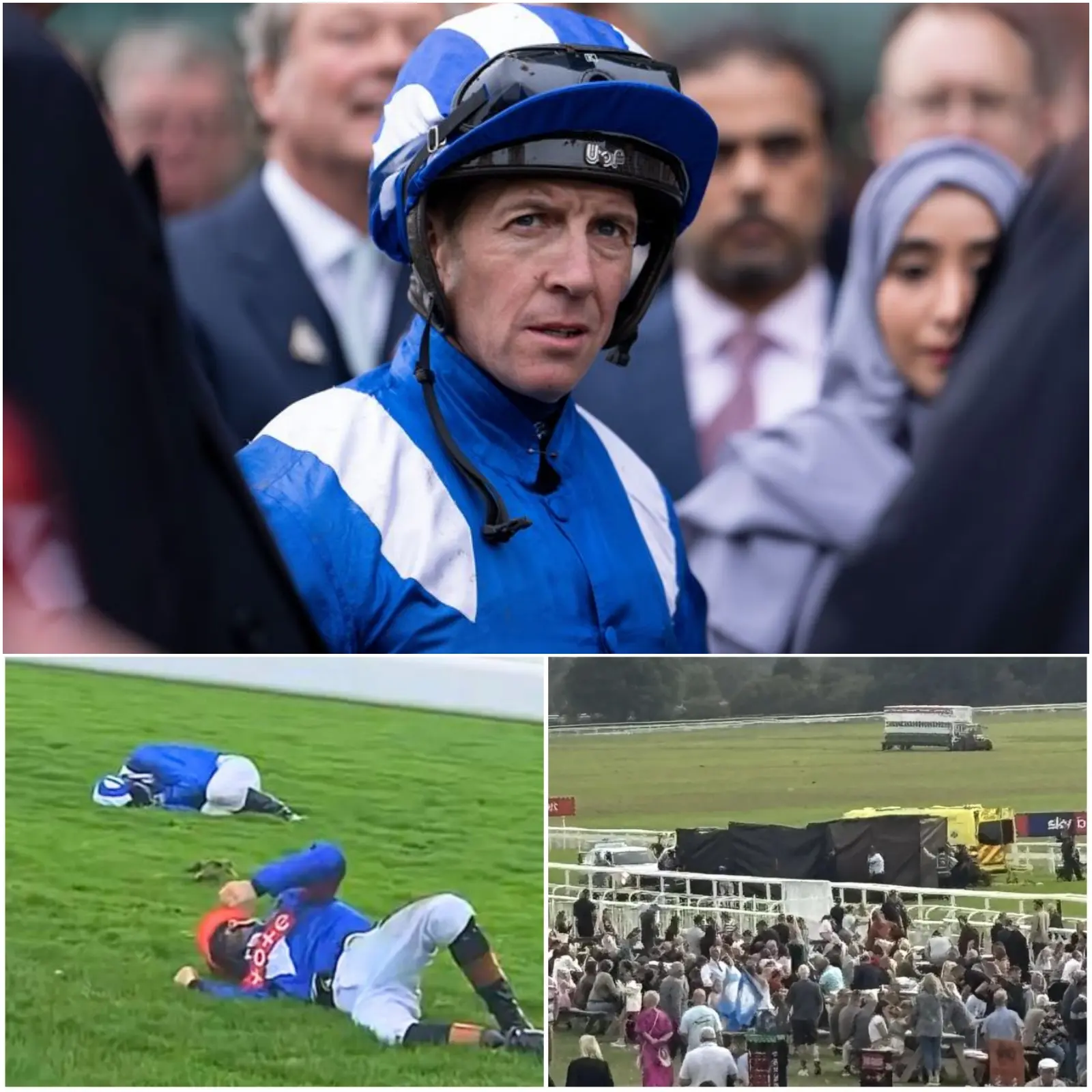
On a sunny September afternoon in 2025, the historic York Racecourse played host to one of the most alarming incidents in recent British flat racing history. The feature race of the day, the Sky Bet Starman Garrowby Stakes, a competitive six-furlong Listed sprint, unfolded live on ITV before thousands of spectators. What began as a routine high-stakes contest quickly descended into chaos when hot favorite Almeraq, ridden by former champion jockey Jim Crowley, clipped heels with a rival approximately two furlongs from the finish.
The resulting tumble sent both Crowley and his mount crashing to the turf, with Tiger Bay, piloted by Trevor Whelan, having nowhere to go and being brought down in the pile-up.
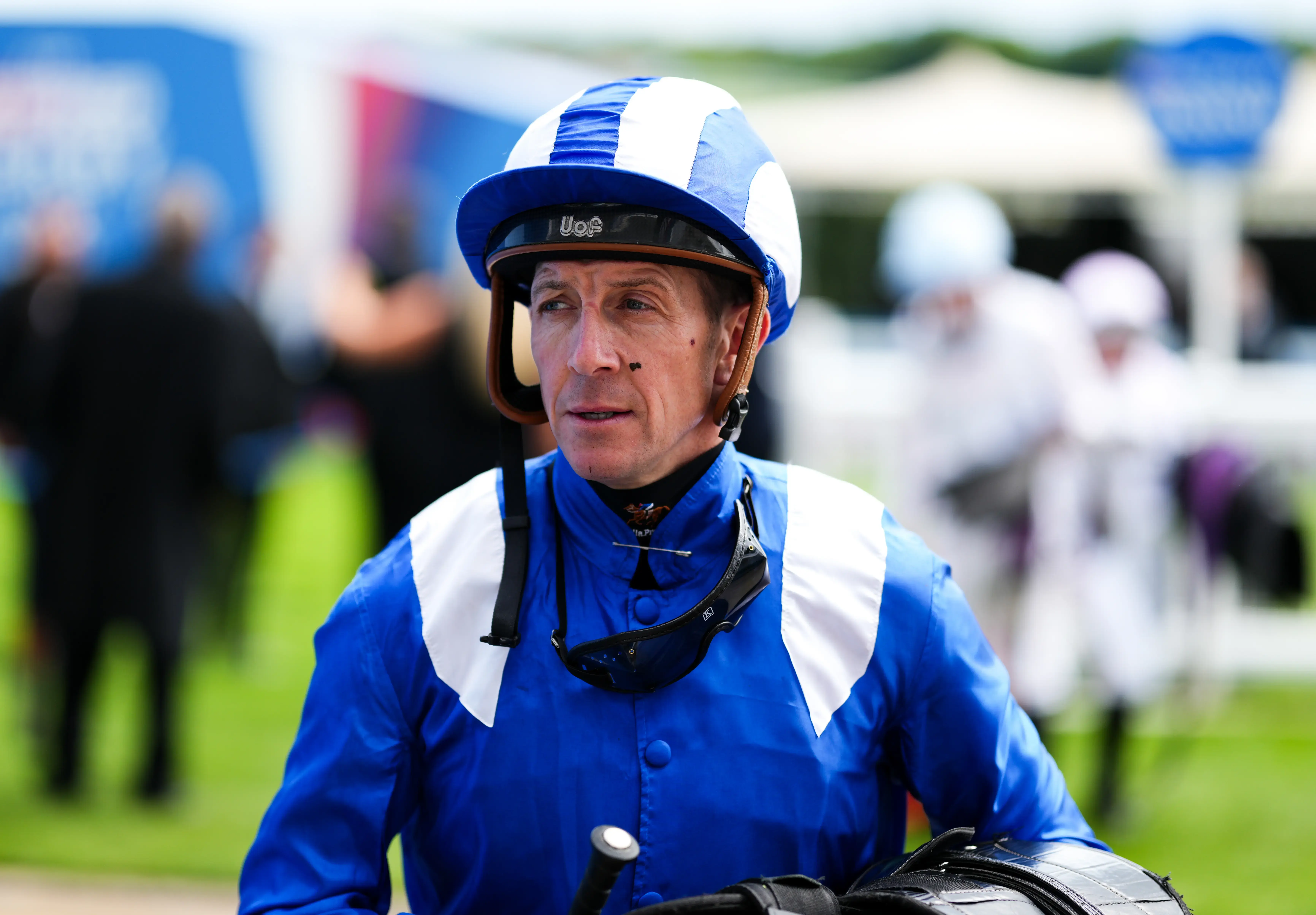
The scenes that followed were nothing short of harrowing. Crowley, a highly experienced rider with a 2016 championship to his name, suffered severe injuries including fractures to his tibia, fibula, and pelvis, along with internal bleeding that required immediate medical intervention. Whelan, meanwhile, sustained multiple complex fractures to his right ankle. Both jockeys were treated extensively on the track by medical teams before being rushed to Leeds General Infirmary. Miraculously, both horses emerged largely unscathed, a small mercy in an otherwise devastating episode.
Racecourse officials made the immediate decision to halt proceedings, delaying the rest of the card for nearly half an hour as screens were deployed and the injured riders received urgent care. While this protocol is standard in modern racing to prioritize human life, it sparked significant backlash among some fans and punters. Social media erupted with divided opinions: many praised the swift action that likely saved lives, but others expressed frustration over the interruption, arguing it disrupted the flow of the meeting and affected betting outcomes.
The debate highlighted a longstanding tension in the sport between its commercial entertainment value and the inherent risks faced by its participants.
The British Horseracing Authority (BHA), as the sport’s governing body in Britain, swiftly launched an urgent investigation into the incident. Stewards examined factors such as race positioning, potential interference, track conditions, and whether any procedural lapses contributed to the severity of the fall. Initial reports suggested the clip-heels incident occurred in a tightly packed sprint field, a common hazard in such races where margins are razor-thin. The BHA’s probe also extended to reviewing on-track medical response times and the effectiveness of safety protocols at York, one of the UK’s premier flat racing venues known for its demanding straight course.
As details of the jockeys’ injuries emerged, the human cost of the sport came into sharp focus. Crowley underwent emergency surgery to stabilize his fractures and address internal bleeding, later requiring additional operations, including one to correct tendon issues that further delayed his recovery. By early 2026, the 47-year-old was still on crutches, with his return to competitive riding pushed back multiple times. He has expressed cautious optimism about resuming around late May or in time for Royal Ascot, but the road has been long and arduous. Whelan, aged 36, faced even more complex challenges with his ankle fractures.
Updates from the Injured Jockeys’ Fund indicated he would likely need further surgery in 2026, significantly postponing any comeback. Both riders’ prolonged absences underscored the physical toll that even a single misstep can exact in this demanding profession.
The incident reignited broader conversations about rider safety in horse racing. For decades, the sport has grappled with balancing tradition and thrill against the welfare of its athletes. Falls are an occupational hazard, but high-profile cases like this amplify calls for technological and regulatory advancements. In response, the International Federation of Horse Racing (IFHA), the global body overseeing the sport, announced tightened regulations on protective equipment. Particular emphasis was placed on smart helmets and next-generation body protectors, which incorporate advanced materials, impact sensors, and improved designs aimed at reducing concussion risks and mitigating injury severity.
These innovations, however, have proven controversial within the racing community. Proponents argue that smart helmets, equipped with real-time data transmission to medical teams and enhanced energy-absorbing liners, represent a critical evolution. They could provide earlier warnings of potential head trauma and offer superior protection compared to traditional models. New-generation vests and gear similarly promise better spinal support and shock distribution without excessively restricting movement. Yet critics, including some veteran jockeys and trainers, voice concerns over comfort and practicality.
Heavier or more rigid designs might cause fatigue during long days at the track or in hot weather, potentially affecting performance and even introducing new risks if riders feel encumbered. Questions also arise about cost accessibility for smaller stables and the need for rigorous, independent testing to ensure these technologies deliver on their safety promises without unintended drawbacks.
Fan outrage extended beyond the race stoppage itself. Many supporters took to forums and social platforms to demand greater transparency from authorities and faster implementation of safety upgrades. “Racing can’t keep asking these athletes to risk everything without giving them the best possible protection,” one prominent racing commentator noted in the aftermath. The emotional scenes of Crowley and Whelan lying on the turf, surrounded by medical personnel while the crowd fell into a stunned silence, served as a visceral reminder that behind the glamour of silk colors and roaring crowds are real people facing life-altering consequences.
In the months following the York drama, the sport has seen incremental progress. The Injured Jockeys’ Fund has continued to provide vital support to Crowley, Whelan, and others recovering from falls, highlighting the community’s resilience and solidarity. Discussions at industry forums have intensified around mandatory adoption timelines for approved protective gear, with the IFHA’s updated standards serving as a benchmark for national bodies like the BHA to follow. York Racecourse itself has reviewed its emergency procedures, ensuring that future incidents can be managed with even greater efficiency.
As Jim Crowley and Trevor Whelan continue their recoveries—battling not just physical pain but the mental challenge of returning to a sport that nearly ended their careers—the episode at York stands as a watershed moment. It forces the racing world to confront uncomfortable truths: that no amount of tradition can justify complacency when lives hang in the balance. The tightened IFHA regulations on smart helmets and advanced gear, though mired in debate over safety versus usability, signal a commitment to evolution.
Whether these changes will sufficiently safeguard the next generation of riders remains to be seen, but the panic at York has undoubtedly accelerated the conversation.
The sport of horse racing thrives on its speed, strategy, and spectacle, yet it must never lose sight of its most valuable assets—its human participants. As fans eagerly await the returns of Crowley and Whelan, and as authorities implement lessons learned, one hope remains universal: that horrific falls like this become rarer, and that when they do occur, the best possible technology and protocols stand ready to protect those who put their bodies on the line for the love of the game.
The road to safer racing is ongoing, paved with both innovation and hard-earned experience from days that no one at York will soon forget.