
The Hero’s Battle for Survival
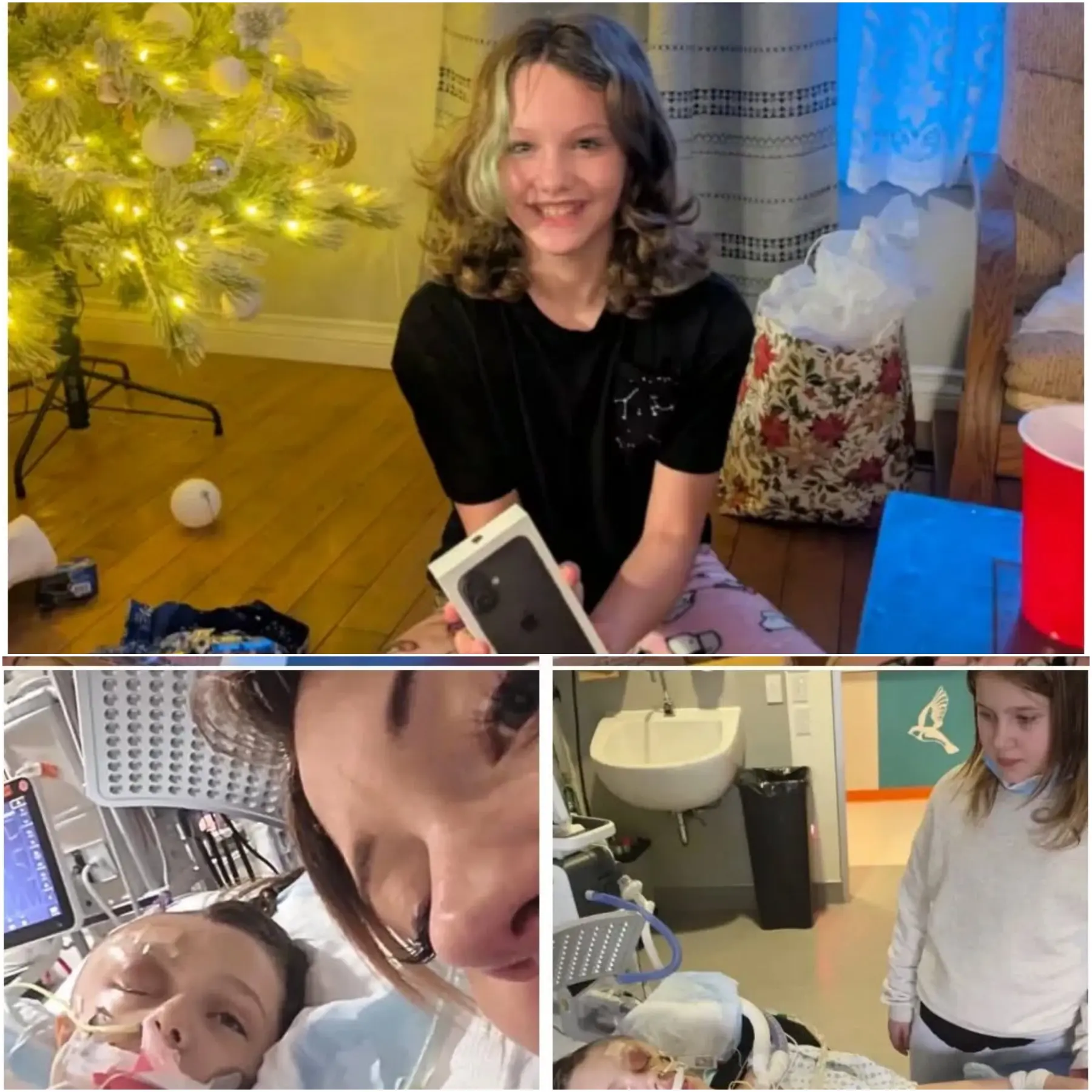
On February 10, 2026, the quiet mountain town of Tumbler Ridge in British Columbia, Canada, was shattered by one of the country’s most devastating mass shootings. In a rampage that began at a family home and continued at Tumbler Ridge Secondary School, 18-year-old Jesse Van Rootselaar killed eight people—including her mother, her 11-year-old half-brother, five children aged 12 to 13, and a teacher—before taking her own life. Twenty-seven others were injured in the attack, which ranks among Canada’s deadliest school shootings in recent history.
Amid the horror, one story has captured global attention: that of 12-year-old Maya Gebala. A seventh-grade student at the school, Maya displayed extraordinary courage when the gunfire erupted. Rather than fleeing or hiding, she rushed toward the library door in an attempt to lock it and shield her classmates from the shooter. Witnesses and family accounts describe how she positioned herself to barricade the entrance, buying precious moments for others to seek safety.
It was in that act of bravery that she was struck multiple times—at close range—with bullets hitting her neck, her head just above the left eye, and grazing her cheek and earlobe.
Maya was airlifted in critical condition to BC Children’s Hospital in Vancouver, where medical teams fought to stabilize her. The injuries were catastrophic: severe trauma to the brain and neck, compounded by the high-velocity impacts. Doctors initially prepared her family for the grimmest outcomes, including discussions about end-of-life care and organ donation possibilities in the early days following the shooting. Her parents, Cia Edmonds and David Gebala, remained by her bedside, refusing to lose hope even as the prognosis seemed dire.
The road to recovery has been arduous and fraught with setbacks. Maya endured emergency surgery to address life-threatening complications arising from her wounds. For weeks, she remained on a ventilator, her body battling infections, swelling, and the profound effects of traumatic brain injury. Yet, small milestones began to emerge, each one a testament to her resilience. Family updates shared on social media chronicled these victories: subtle movements in her limbs, faint responses to familiar voices, and brief moments when her eyes opened and tracked the room.
By early March, more encouraging signs appeared. Maya was weaned off the ventilator in a tense procedure her mother described as terrifying yet triumphant. Cia Edmonds recounted holding her daughter’s hand as Maya winced during the removal, but soon afterward, the girl began breathing on her own—a major step forward. Her father, David, noted that she had become more active, moving the left side of her body and even pushing herself up using the foot of the hospital bed. Recent CT scans reportedly showed incredible improvement in her brain, defying earlier fears of irreversible damage.
Maya’s progress has not been linear. There have been complications requiring vigilant monitoring, periods of regression, and the ongoing reality of permanent cognitive and physical challenges ahead. Her family has spoken openly about the long-term implications: potential disabilities, extensive rehabilitation, and the emotional toll on her younger sister, Dahlia, who was at the school that day but escaped physical harm, though she now grapples with PTSD, anxiety, and sleep disturbances.
Despite these obstacles, Maya’s determination shines through. Her parents describe a girl who “never stopped fighting,” whose spirit refuses to yield. She has begun recognizing voices, following favorite TV shows with focused attention, and responding in ways that bring tears of joy to those around her. Medical staff at BC Children’s Hospital have marveled at her tenacity, with one update noting she was “looking more like her beautiful self” as swelling subsided and color returned to her face.
The story of Maya’s heroism and ongoing battle has transcended the borders of Tumbler Ridge, a remote coal-mining community of just a few thousand residents. Vigils were held in the days after the shooting, where candles and photos honored the lost and the wounded. Online fundraisers and messages of support poured in from across Canada and around the world, turning Maya into a symbol of courage in the face of unimaginable violence. Strangers have shared stories of how her actions inspired them to reflect on bravery, community, and the fragility of life.
In a tragic twist, Maya’s family has filed a civil lawsuit against OpenAI, the company behind ChatGPT. The claim alleges that the shooter used the AI tool to plan aspects of the attack, and that despite internal warnings from employees about concerning misuse, the company did not alert authorities. Filed in British Columbia Supreme Court in early March 2026, the suit seeks accountability and aims to prevent future tragedies. It highlights the broader questions raised by the incident about technology’s role in violence and the responsibilities of AI developers.
For now, Maya’s fight continues in the quiet hum of hospital monitors and the unwavering presence of her family. Each day brings new challenges, but also new reasons for hope. In a town still mourning its losses and a world watching her story unfold, Maya Gebala stands as a reminder of the human capacity for heroism and endurance. Her parents remain steadfast in their belief that she will not give up, and neither will they.
As one family member put it, “She’s giving it all she’s got.” In the shadow of tragedy, that unyielding spirit offers a fragile but powerful light.